
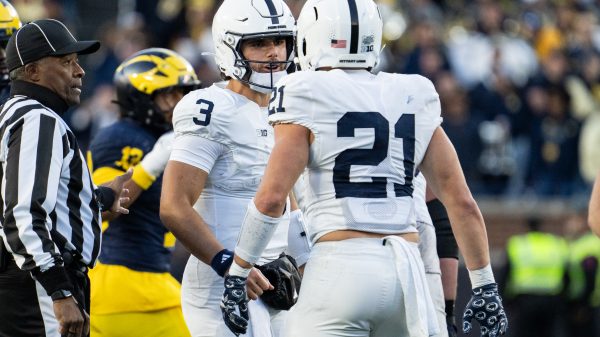

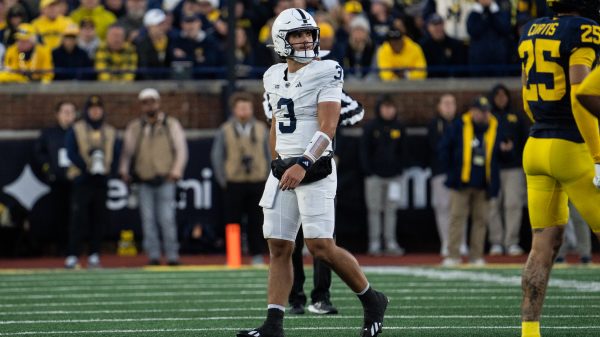






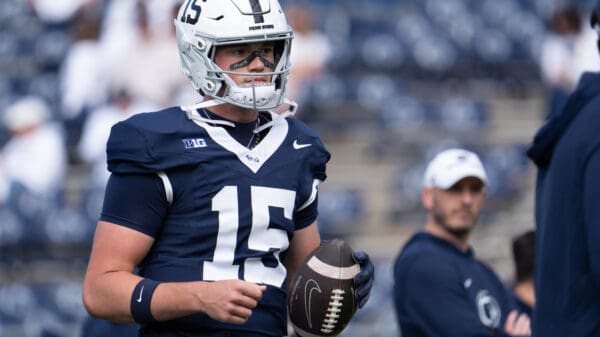
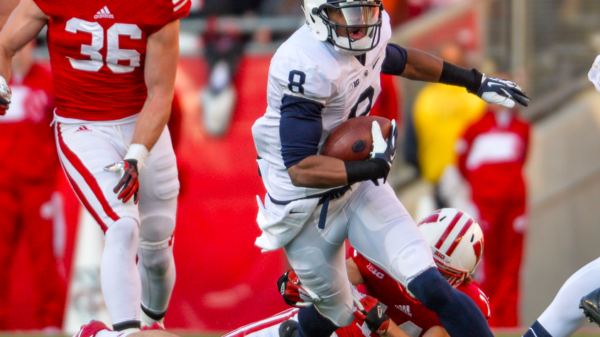



Penn State football had never lost so many to the transfer portal before, nor had it gained so many.
It was certainly an interesting two weeks for Penn State.
The transfer portal officially closed yesterday, bringing a semblance of stability and predictability to Penn State’s projected 2026 roster.
As part of an ongoing series, we will examine the top five players who arrived, who stayed, and who Penn State lost in the transfer portal. This installment focuses on Penn State’s Top 5 transfer portal losses, with analytics helping explain why each departure matters.
#5 Amare Campbell – LB

Campbell led all Penn State defenders with 769 snaps and ranked second on the team with 103 tackles, accounting for roughly 14 percent of the defense’s total tackles per Pro Football Focus.
Campbell posted a 77.6 overall defensive grade, highlighted by strong zone awareness and reliable run fits. He allowed fewer than six yards per target in coverage and missed tackles on just 8.1 percent of attempts, an impressive rate for a high-usage linebackerk. Campbell’s departure, following defensive coordinator Jim Knowles to Tennessee, leaves Penn State without its most experienced second-level communicator entering 2026.
#4 Xavier Gilliam – DT
 Add Nittany Sports Now as a preferred source in Google! Click here to add us.
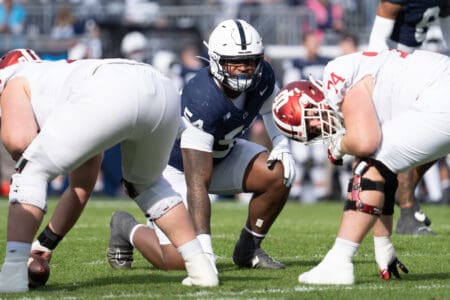
Gilliam quietly became one of Penn State’s most efficient interior defenders. Despite playing less than 40 percent of defensive snaps, he recorded a run-stop rate north of nine percent, well above the Power Four average for interior linemen. His 87.3 PFF grade vs. Nebraska was the highest by any Penn State defensive tackle this season. Gilliam also finished top three among PSU defensive linemen in tackles resulting in “wins” (no gain or loss), making his exit a notable hit to interior depth and rotational consistency.
#3 Ethan Grunkemeyer – QB
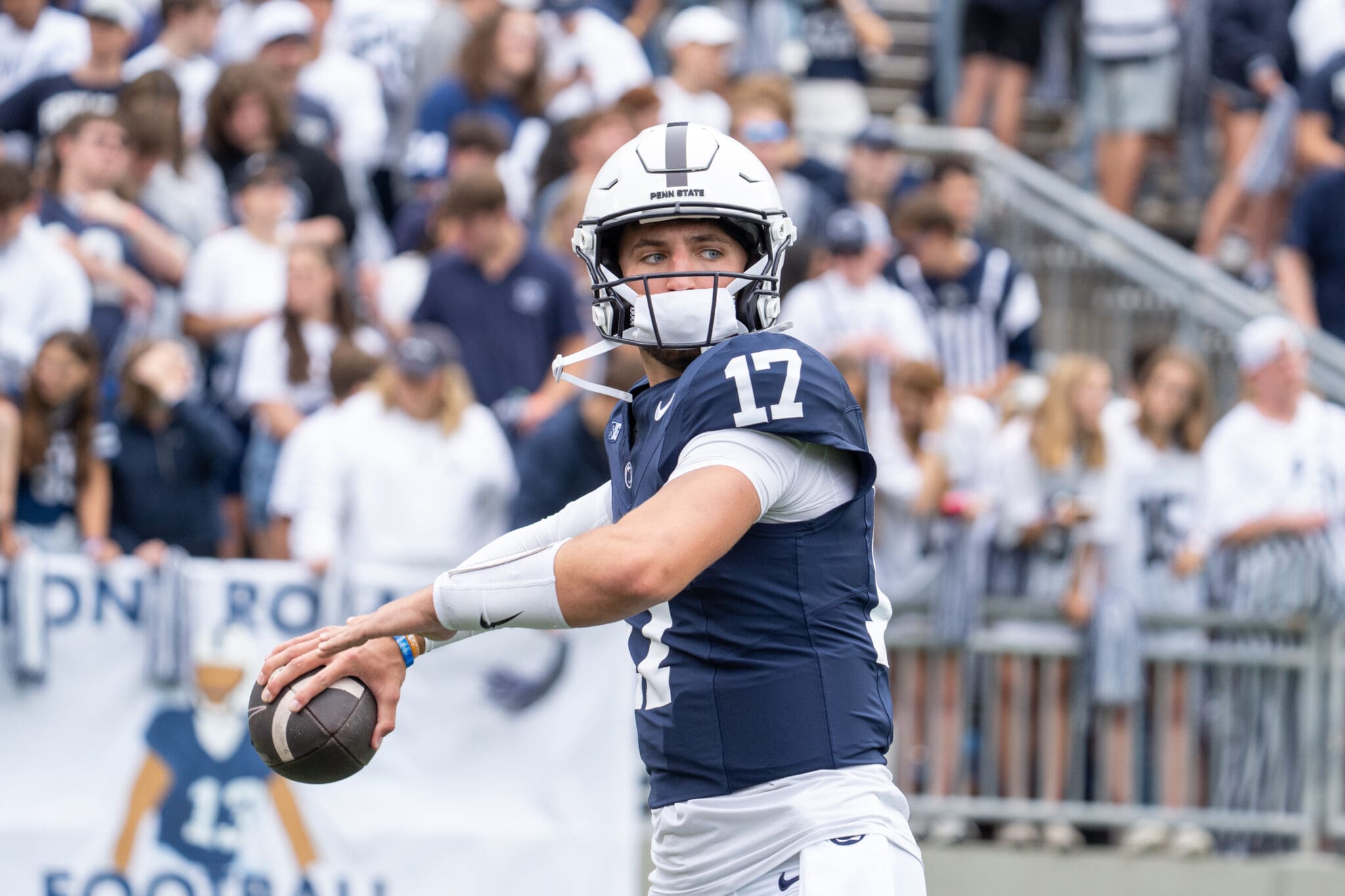
Grunkemeyer’s underlying metrics suggest a quarterback still ascending. Over his final four games, his adjusted completion percentage jumped by nearly 10 points, and his turnover-worthy play rate dropped below 2.5 percent. His 87.9 PFF passing grade in the Pinstripe Bowl ranked among the top five bowl performances nationally. Importantly, Grunkemeyer averaged 8.6 yards per attempt without play-action, an indicator of independent passing efficiency.
Losing a developmental quarterback with positive trend lines is not insignificant.
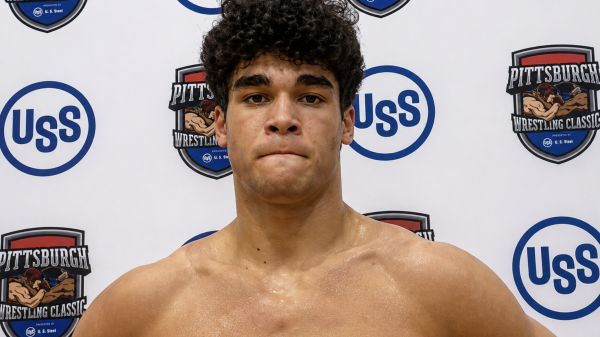
#2 Andrew Olesh – TE
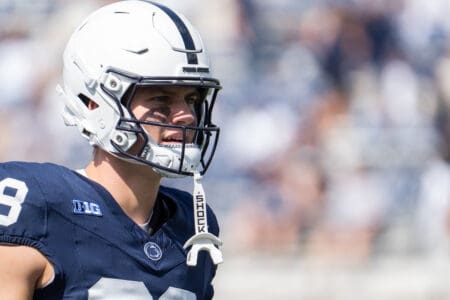
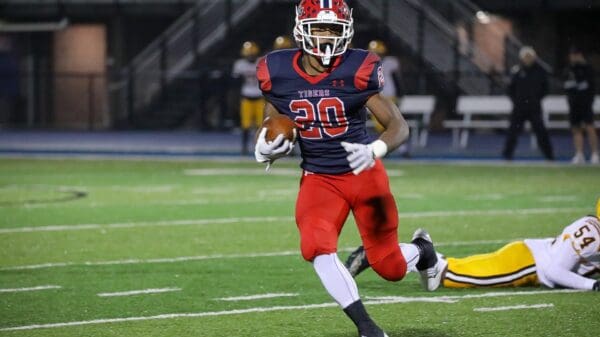
Olesh’s ranking is driven almost entirely by projection, but analytics support the intrigue. At the high school level, he averaged over 2.4 yards per route run and posted an explosive-play rate above 20 percent. Oregon’s history of maximizing athletic tight ends in space suggests Penn State may have lost a future mismatch weapon before his analytical profile could mature at the collegiate level.
#1 Chaz Coleman – EDGE
Coleman’s pass-rush metrics are elite. His 90.3 PFF pass-rush grade ranked among the top five returning Power Five edge defenders, while his win rate of 22 percent placed him firmly in NFL-caliber territory. Though his run-defense grade lagged behind, edge defenders with Coleman’s pressure efficiency historically see the steepest Year 2-to-Year 3 improvement curves. Losing a player with that kind of high-end pass-rush ceiling is the most impactful portal loss Penn State suffered this cycle.