

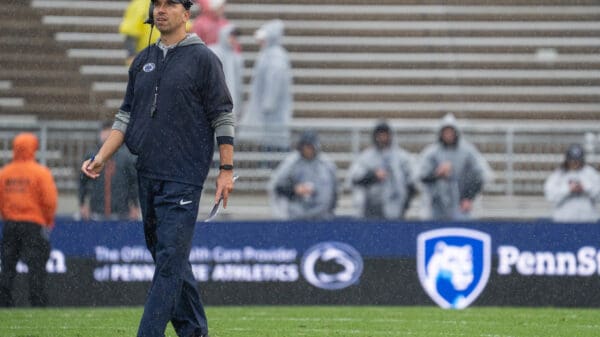
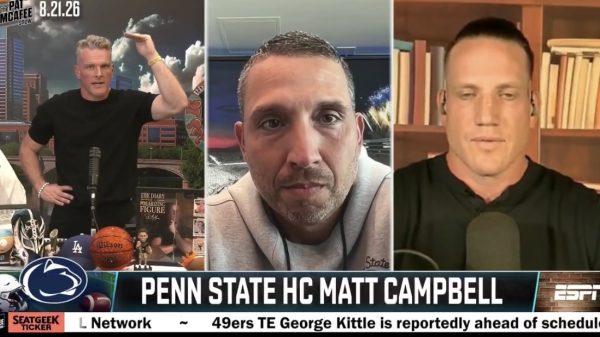






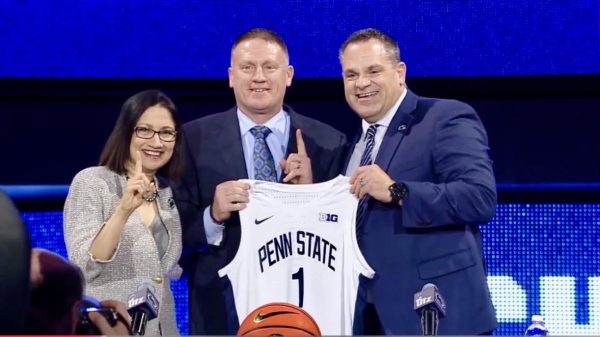









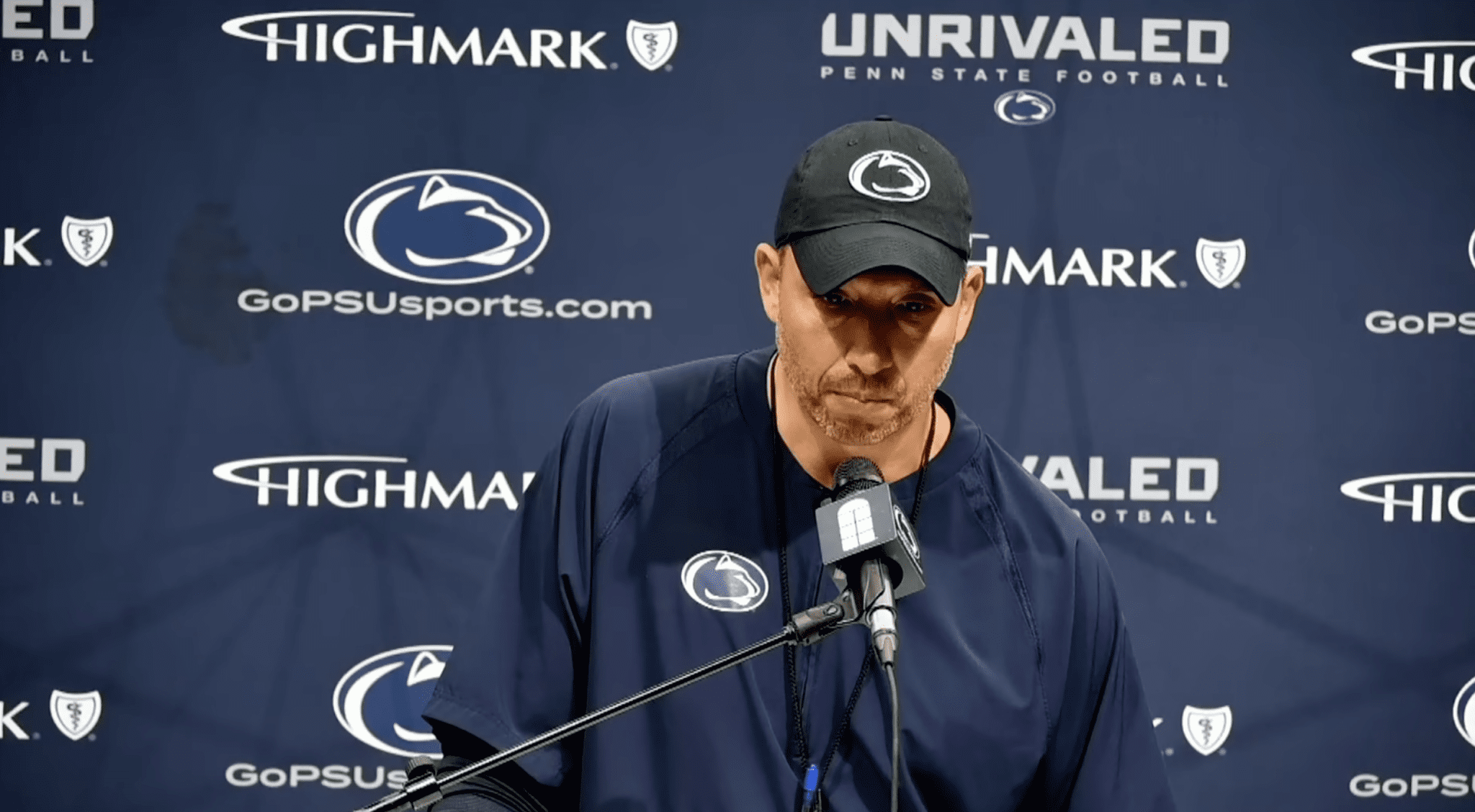
Penn State Matt Campbell sat down with CBS Sports Rick Neuheisel to discuss why he accepted the job, how his family influenced the decision, the coaching philosophy that has shaped his career and what excites him most about leading the Nittany Lions.
Here are the biggest questions and answers from the interview.
Q: Did you have a connection to Penn State before taking the job?
Campbell: Absolutely.
Campbell said his grandparents, who lived in Carmichaels, Pennsylvania, introduced him to Penn State football at a young age.
“My grandparents had a huge impact on my life,” Campbell said. “They were huge Joe Paterno fans. Growing up, you were either talking about the Steelers or Penn State football.”
Q: What was your initial reaction when Pat Kraft called?
Campbell: Hesitation.
Campbell admitted the timing caught him off guard because Iowa State was still preparing for a bowl game and beginning offseason meetings.
“I’ll be honest, there was some hesitation simply because of how quickly everything unfolded,” Campbell said. “My focus was entirely on Iowa State football.”
After speaking with athletic director Pat Kraft, Campbell also had what he described as a meaningful conversation with Penn State President Neeli Bendapudi.
Q: How much did your family influence the decision?
Campbell: They were the biggest factor.
Campbell said the first conversation after receiving Penn State’s interest was with his wife. After a decade at Iowa State, the family wanted to make sure the move was right for everyone.
“As important as winning football games is, being a great husband and father is even more important,” Campbell said.
He also consulted his two oldest daughters and said he would have declined the opportunity if they had not wanted to make the move.
“If they had said they didn’t want to do it, I would have walked away.”
Q: What convinced you Penn State was the right fit?
Campbell: Alignment.
Even after the initial conversations, Campbell said he still had questions. More than Penn State’s tradition, he wanted to understand the university’s leadership and long-term vision.
“I wanted to understand the leadership at Penn State, the vision for the football program and where everyone wanted to take it,” Campbell said.
He acknowledged the challenges surrounding the program following the previous season but said it was important to ensure Penn State’s vision matched his own philosophy for building a championship program.
Q: Have you gotten used to saying ‘we’ when talking about Penn State?
Campbell: I’m getting there.
Campbell laughed when asked about referring to Penn State as “we.”
“I’ve said it quite a few times,” he said. “There probably was a little hesitation at first, but I think I’ve gotten better with it as time has gone on.”
Q: What lessons from Mount Union still shape you today?
Campbell: Almost everything.
Campbell credited legendary Mount Union coach Larry Kehres with teaching him how to build sustained success.
“We lost one game in four years and won three national championships,” Campbell said. “Then I went back as an assistant and won two more.”
 Add Nittany Sports Now as a preferred source in Google! Click here to add us.
He said the program wasn’t built on slogans or flashy messaging.
“It was about faith, family and football.”
Campbell said Mount Union taught him how to teach, develop culture, handle expectations and sustain success over time.
“It was almost like earning a doctorate in what it takes to build a championship football program.”
Q: What first made you fall in love with football?
Campbell: Watching his father coach.
Campbell said his earliest football memories came from growing up around his father’s high school football program.
“I remember running the cords on the sideline, sitting in the locker room and watching my dad lead a football team,” Campbell said.
Watching former players return years later because of the impact his father had on their lives inspired Campbell to pursue coaching himself.
“That’s still what motivates me to sprint into the football facility every day.”
Q: How do you handle championship expectations at Penn State?
Campbell: Focus on the process.
Campbell said expectations eventually became high at Iowa State as well after the Cyclones reached multiple Big 12 Championship Games.
His philosophy hasn’t changed.
“It’s easy to get caught up in outside noise, but true success hasn’t changed,” Campbell said.
“Greatness is exhausting.”
Instead, Campbell believes championship programs are built through discipline, commitment, unity and staying true to the process during both success and adversity.
Q: Why is Rocco Becht the right quarterback to lead Penn State?
Campbell: Leadership and character.
Campbell believes the head coach and quarterback must share the same values because the quarterback ultimately sets the tone inside the locker room.
“What I love most about Rocco is who he is as a person,” Campbell said.
He praised Becht’s work ethic, toughness and leadership, noting he earned his success rather than arriving as a highly touted recruit.
“The locker room fights for Rocco because of the man he is.”
Q: Are you ready for your first Penn State White Out?
Campbell: Absolutely.
When asked if he was ready to experience Beaver Stadium’s signature atmosphere, Campbell didn’t hesitate.
“I’m ready.”