

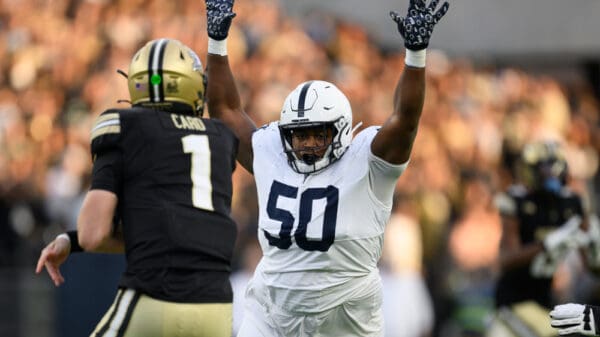





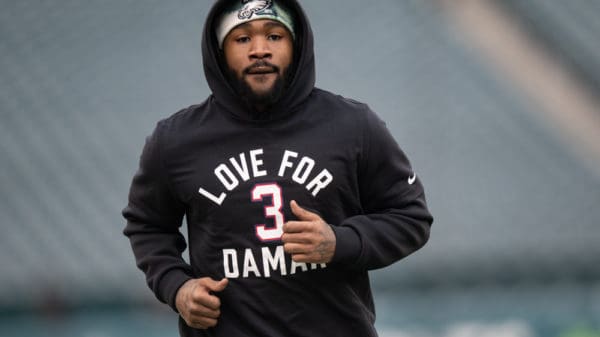



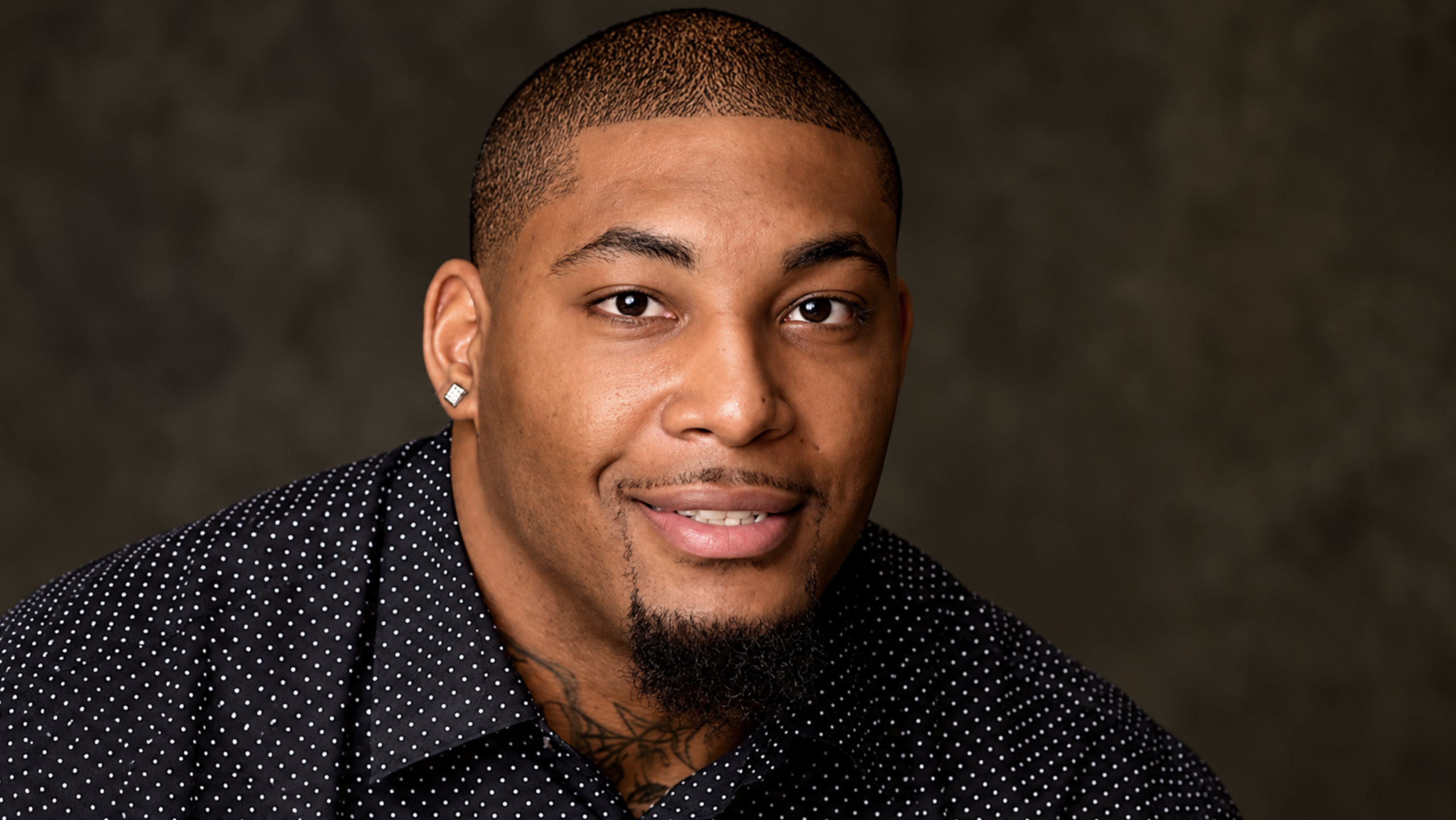
Former Penn State defensive tackle Devon Still knows firsthand how dangerous it can be for football players to ignore warning signs from their bodies.
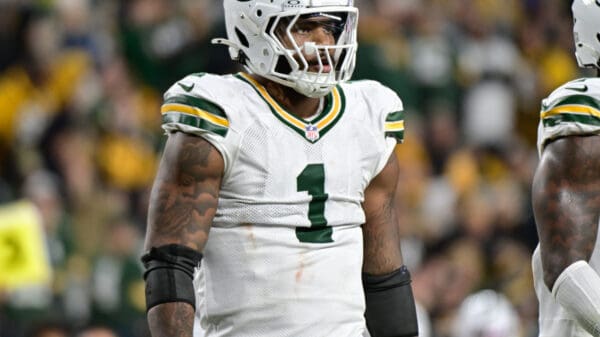
Following Monday’s news that Philadelphia Eagles quarterback Jalen Hurts is expected to miss the remainder of the season because of blood clots in his lungs, Still took to social media to share his experiences and question the culture surrounding player safety in professional football.
Hurts was diagnosed with deep vein thrombosis and bilateral pulmonary emboli, a potentially life-threatening condition in which blood clots travel to the lungs.
The Eagles announced that Hurts is clinically stable and expected to make a full recovery.
However, his treatment requires blood thinners, preventing him from participating in football activities until he completes treatment.
For Still, the situation brought back memories of his own playing career.
“Blood clots aren’t something you play through or fake. They can kill you,” Still wrote on X. “I’m grateful my family pushed me to get help, and I’m praying for Jalen’s full recovery.”
Still, who played at Penn State from 2008 through 2011 before being selected by the Cincinnati Bengals in the second round of the 2012 NFL Draft, revealed that he experienced chest pain and shortness of breath.
He also recalled suffering a herniated disc during a game against the Pittsburgh Steelers, an injury that eventually required surgery.
 Add Nittany Sports Now as a preferred source in Google! Click here to add us.
“Could’ve came from surgery or from flying a week after surgery,” Still wrote when asked about the possible cause of his blood clot.
Beyond his personal experiences, Still questioned whether professional football’s culture encourages players to prioritize competing over protecting their long-term health.
“We need to be careful using words like ‘amazing’ and ‘committed’ when athletes make these types of decisions,” Still wrote. “They’re dangerous and shouldn’t be celebrated. You don’t see it while you’re playing, but once you retire, you realize how hypnotized you were.”
Still also suggested that meaningful improvements in player safety must begin with organizational leadership.
“Unfortunately, psychological safety starts at the top,” Still wrote. “Coaches under pressure to win pressure doctors and trainers to clear star players. Players feel it from ownership, coaches, staff, and fans. Most won’t speak up. It’s job security, acceptance, and not wanting to look soft.”
The comments come as questions surround the Eagles’ handling of Hurts’ condition, which the team initially attributed to a calf injury suffered against the Los Angeles Rams.
For the former Penn State standout, the larger concern is ensuring athletes feel empowered to prioritize their health, even when doing so means stepping away from the game.