


















There is a significant difference between knowing how to do something and actually doing it.
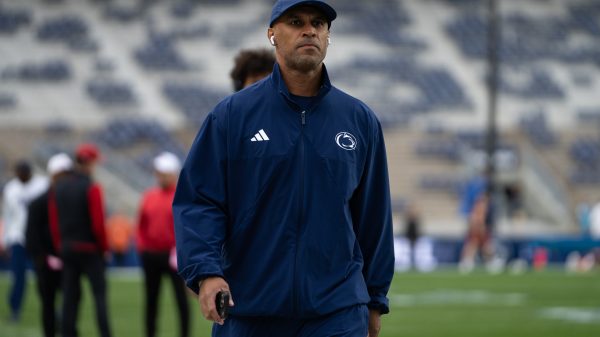
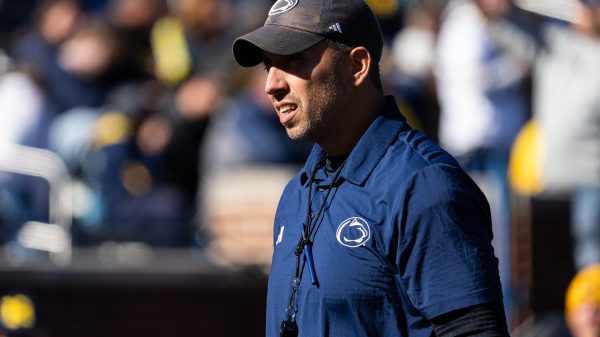
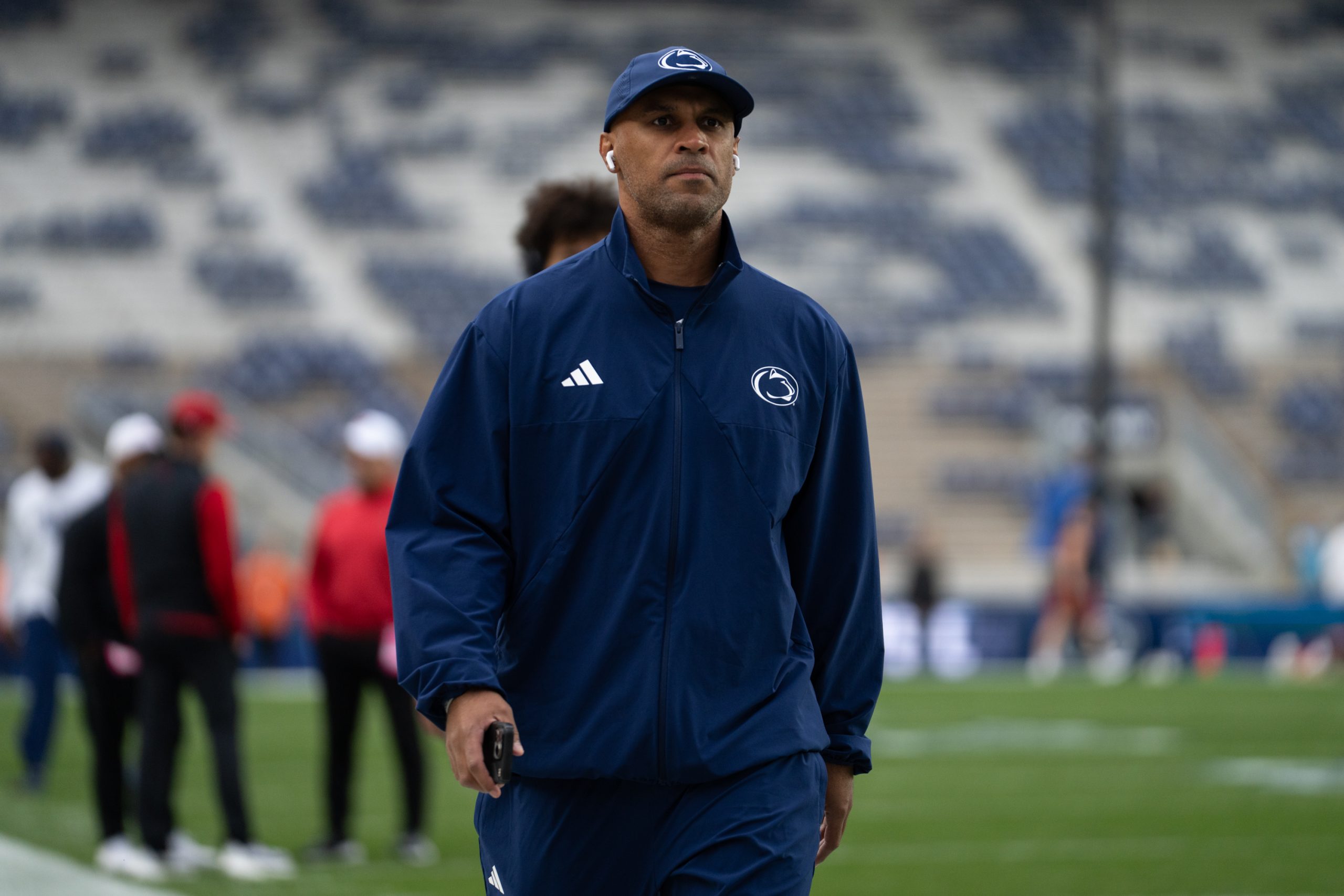
For Penn State defensive coordinator D’Anton Lynn, that distinction has become one of the defining frustrations of the Nittany Lions’ disappointing 2026 season.
Through seven games, Penn State has demonstrated flashes of the defensive physicality and discipline expected from a program with its tradition.
Unfortunately, those flashes have been overshadowed by an alarming inability to sustain that performance.
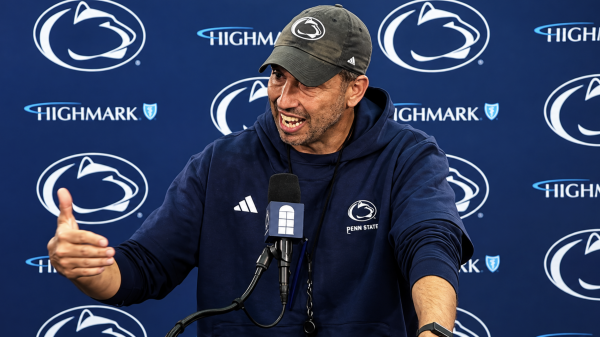
Lynn acknowledged as much Tuesday when discussing his defense’s struggles against the run.
“We’ve shown that we can stop the run. I don’t doubt that,” Lynn said. “But we have not shown that we can do it for four straight quarters.”
That admission might be the most revealing assessment of Penn State’s defensive shortcomings this season.
It also raises an uncomfortable question: If the Nittany Lions possess the personnel and scheme necessary to stop opposing rushing attacks, why does the same problem continue surfacing?
The numbers paint an ugly picture.
Penn State ranks 105th nationally in rushing defense, allowing 172.3 yards per game. That places the Nittany Lions last in the Big Ten, a remarkable development for a program that surrendered just 75.5 rushing yards per contest in 2023 and consistency has been among the best run defenses in the nation.
Should that average hold, Penn State would finish with one of its 10 worst rushing defenses in program history, based on available statistics dating to 1954.
Those aren’t numbers that can simply be dismissed as growing pains under a first-year coaching staff.
They represent a fundamental breakdown in one of football’s most basic responsibilities: stopping the opponent from running the ball.
Inconsistency Has Become Penn State’s Identity
Lynn’s assessment of his defensive line was particularly telling.
“Our biggest thing is, when we turn on the tape, can the fourth quarter and third quarter look like the second and first?” Lynn said. “We still haven’t figured out a way to finish games.”
That is the problem Lynn is trying to figure out.
Penn State isn’t necessarily getting physically overwhelmed on every possession. Instead, the Nittany Lions are allowing individual breakdowns to undermine otherwise productive stretches of defensive football.
Lynn pointed toward missed tackles, poor edge containment and explosive runs that should have been limited to manageable gains.
“We looked at all of our explosive runs and how many of those runs could have been nine-, 10- or 12-yard gains if we’re able to knock the ball carrier down by the time he gets to our DBs,” Lynn said.
A 10-yard gain might move the chains. A missed tackle that transforms it into a 30-yard run changes field position, momentum and potentially the outcome.
Over four quarters, those mistakes accumulate.
And when a team is 3-4 overall and winless through four Big Ten games, the margin for error has already disappeared.
The Pass Rush Is Making Matters Worse
Penn State’s problems aren’t confined to stopping the run.
The Nittany Lions have recorded just nine sacks through seven games, tied for 113th nationally. More concerning, their defensive linemen have gone four consecutive games without recording a sack.
That lack of production creates another challenge for Lynn.
 Add Nittany Sports Now as a preferred source in Google! Click here to add us.
Without consistent pressure from the defensive front, opposing quarterbacks have additional time to operate, while Penn State must consider committing more defenders to generating pressure.
Lynn acknowledged that adjustments are necessary.
“We need to rush better up front. We need to do a better job of putting guys in position to do that,” Lynn said.
He also discussed utilizing linebackers and defensive backs more frequently as blitzers.
However, there’s a delicate balance between creating pressure and maintaining the defensive integrity necessary to stop the run.
Penn State cannot afford to sacrifice one responsibility while attempting to correct another.
Accountability Must Produce Results
Perhaps the most important takeaway from Lynn’s comments was his willingness to acknowledge his responsibility.
He discussed improving defensive rotations, keeping players fresh and making schematic adjustments.
When addressing those decisions, Lynn emphasized that the responsibility starts with him.
But acknowledging the problem and correcting it are two entirely different accomplishments.
Asked whether fatigue or another factor explained Penn State’s fourth-quarter struggles, Lynn admitted he didn’t have an exact answer.
That’s concerning with five games remaining.
There is talent on this defense.
Tony Rojas leads Penn State with 56 tackles, 10.5 tackles for loss and five sacks. Audavion Collins has emerged as one of the nation’s most productive coverage cornerbacks.
Yet individual excellence hasn’t translated into collective consistency.
That’s ultimately what Lynn must solve.
Penn State welcomes Purdue on Saturday before facing Washington, Minnesota, Rutgers and Maryland to close the regular season.
Those games represent opportunities to salvage bowl eligibility, but they also provide a measuring stick for whether this defense is actually improving.
At this point, nobody needs another explanation about what Penn State is capable of doing.
We’ve seen enough isolated stretches to understand the potential.
What remains missing is the discipline, execution and consistency necessary to make those stretches last an entire afternoon.
Lynn knows his defense can stop the run and now he must prove it can do so when it matters most.
Because after seven games, potential is no longer a sufficient answer – results are.