











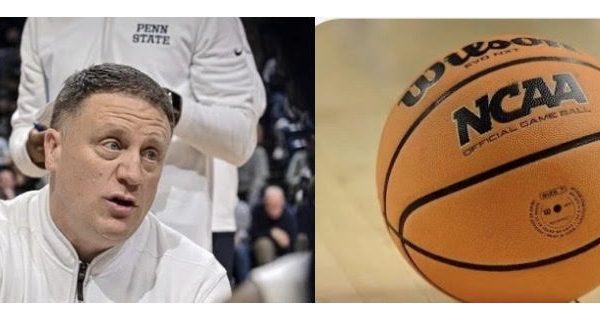







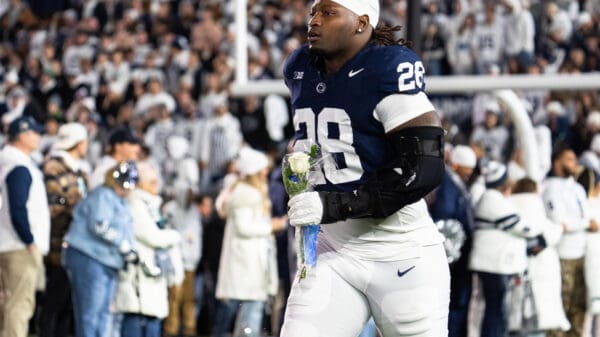









The NCAA has unanimously voted to approve an age-based eligibility model, which will be fully implemented in Fall 2027. Players are now granted a max of five years of playing eligibility, which must be completed within five years of graduating high school or from the academic year after their 19th birthday, whichever comes first. The new ruling has also now eliminated most medical exemptions and redshirt waivers. This new rule is called the “5-in-5” Clock. Once the 5-year clock starts, it does not stop, even if a player signs a professional contract.
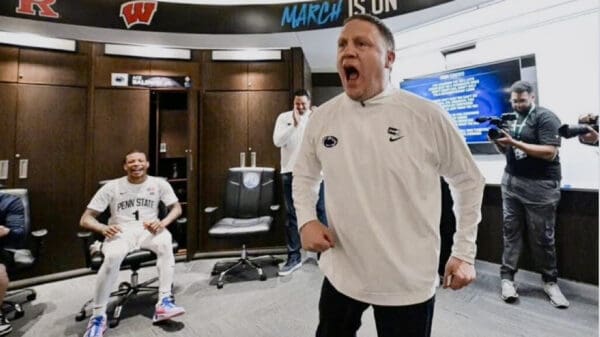
But what about the 2026 college seniors like Penn State’s, Josh Reed, who never redshirted during his collegiate career and has only played for four years?
The new NCAA model has excluded these students and that is why there already has been and will continue to be a rash of lawsuits against the NCAA.
Reed is among several players listed on an injunction in Ohio against the NCAA stating that college athletes from the High School Class of 2022 had to compete against older players who received COVID-19 waivers and when the NCAA permanently allowed a fifth season of eligibility, it excluded and discriminated against the Class of 2022, while allowing students who skipped college to play professionally to return for four years.
They feel they have been unfairly denied a fifth year of competition.
 Add Nittany Sports Now as a preferred source in Google! Click here to add us.
Reed played his first three seasons of college basketball at Cincinnati and then transferred to Penn State for his senior year.
He ended the season averaging 11.5 points and 4.1 rebounds per game while shooting 48.8% from the field.
In an exclusive interview with Nittany Sports Now in June, Reed told NSN that his playing days were over and that he was moving onto the next chapter of his life, which was working for the Philadelphia 76ers in the business-side of basketball.
Stay with Nittany Sports Now for all of your Penn State basketball news.