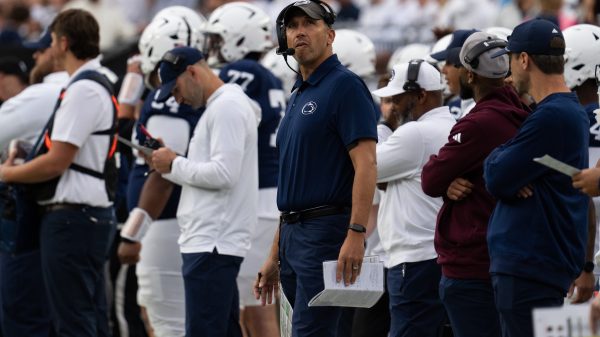

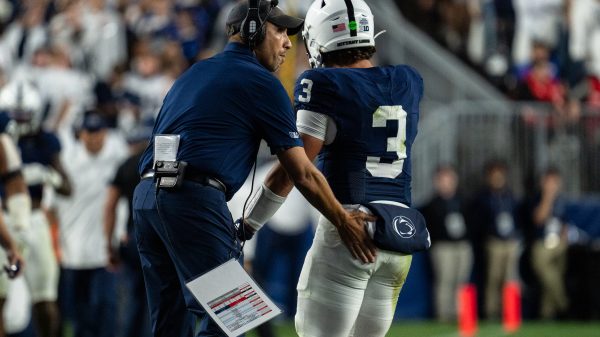
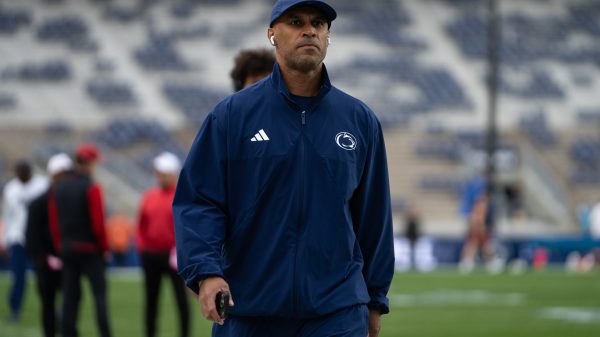
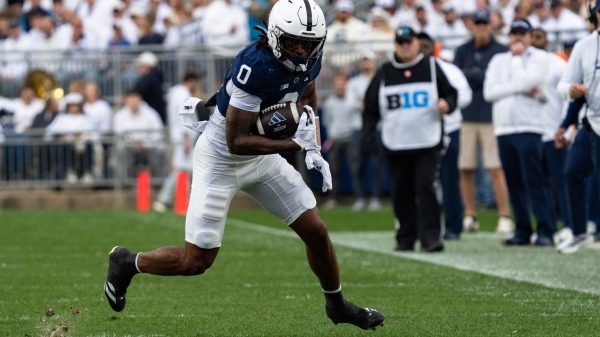

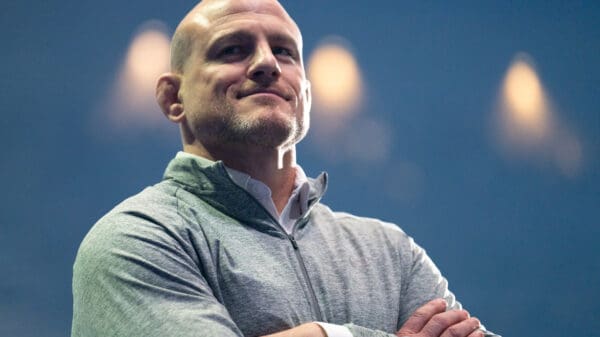









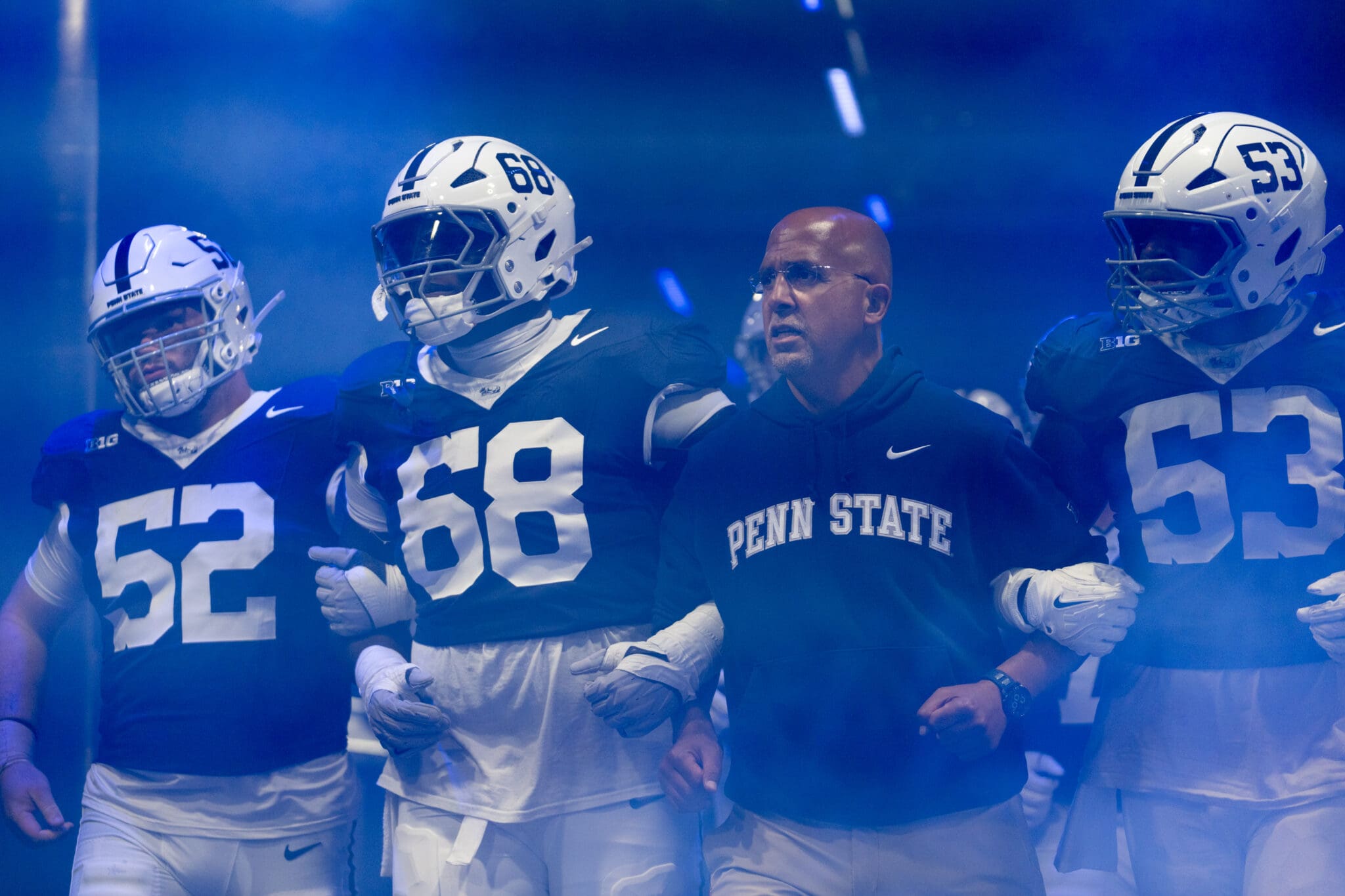
Penn State moved on from James Franklin yesterday.
In a stunning midseason move, Franklin was relieved of his duties just six games into his 12th season as head coach.
He leaves Happy Valley tied with Rip Engle as the second-winningest coach in program history, trailing only Joe Paterno.
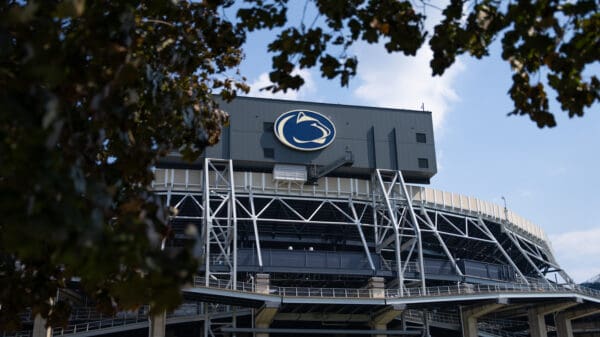
I’ve gone through a range of emotions since the news became official. But what will forever stick with me was Franklin’s unceremonious final exit from Beaver Stadium — a 22–21 loss to Northwestern, the crowd echoing with “Fire Franklin” chants.
As we in the media waited longer than usual for the postgame presser, Franklin walked in looking shaken, his confidence shattered. His answers were subdued, halting — the sound of a man who knew the end had arrived.
He deserved better than that. But coaching rarely allows graceful exits. As legendary baseball manager Leo Durocher once quipped, “If you don’t win, you’re going to be fired. If you do win, you’ve only put off the day you’re going to be fired.”
Franklin’s firing ultimately came down to one thing: he didn’t win enough of the games that mattered most.
Among coaches who’ve participated in at least 20 Top-10 matchups, only Virginia Tech’s Frank Beamer holds a worse winning percentage. Combine that with this season’s collapse — from a preseason No. 2 ranking to 3–3 with no Power Four victories — and Kraft’s decision was inevitable.
Still, it’s hard not to feel Franklin was denied the chance to right the ship. And that’s where his complicated legacy begins.
When Franklin arrived in 2014, Penn State football was still reeling from the aftermath of NCAA sanctions stemming from the Sandusky scandal. The program faced scholarship limits, recruiting obstacles, and a fractured reputation.
Franklin stabilized the chaos. He convinced key players and recruits — Saquon Barkley, Chris Godwin, Mike Gesicki and Trace McSorley — to stay and build something lasting.
After a shaky 2–2 start in 2016, Franklin was on the brink. Instead, he led a stunning turnaround — winning the Big Ten title, finishing No. 5 nationally and earning the first of seven New Year’s Six bowl appearances.
From that point on, Penn State was back among college football’s top tier — consistently ranked inside the Top 10 and capable of competing with anyone.
Franklin wasn’t just a recruiter: he was a builder. His 12 recruiting classes averaged 18th nationally, enough to keep Penn State stocked with blue-chip talent and in marquee matchups against Ohio State, Michigan and later Oregon.
He also turned players into pros. Penn State became one of only three programs — alongside Alabama and Georgia — to produce at least five NFL Draft picks in the last eight consecutive NFL Drafts.
That’s an elite company.
But while Franklin could develop talent, he couldn’t always deliver when it mattered most.
Franklin’s career will forever be haunted by the collapses and the inability to win the major games.
In the 2017 Rose Bowl, Penn State blew a 49–35 fourth-quarter lead and lost to USC, 52–49. Later that year, they led Ohio State by 15 entering the fourth quarter before being outscored 19–3 in what Urban Meyer called “one of my finest victories.”
The following week, Penn State lost a rain-delayed heartbreaker at Michigan State, 27–24.
 Add Nittany Sports Now as a preferred source in Google! Click here to add us.
In 2018, another late double-digit point collapse against Ohio State prompted Franklin’s now-famous “Good to Great to Elite” speech — an acknowledgment of how hard that final step really is.
There were flashes of greatness — New Year’s Six Bowl wins, major upsets, thrilling moments — but the “elite” label always remained out of reach.
By 2020, Franklin had a roster ready to make a national championship push, but COVID-19 disrupted everything. Recruiting momentum stalled, the locker room fractured, and the rebuild that followed tested every ounce of Franklin’s patience.
Following the 2021 season, he’d pulled Penn State back again over the next three subsequent seasons — winning the Rose and Fiesta Bowls, setting a school record with 13 wins in 2024, and finally breaking through to the College Football Playoff, winning the program’s first two CFP games.
Then came the Orange Bowl heartbreak.
Penn State was tied with Notre Dame late before quarterback Drew Allar’s interception set up a Mitch Jeter field goal that sent the Irish to the national championship game. Franklin’s reaction on the sideline said everything — a man who’d just watched his lifelong dream slip through his fingers.
He’d often spoken of wanting to be the first African American head coach to win a national title. That goal was within reach — and then it was gone.
“Yeah, I wanted it for the guys. I wanted it for our players. I wanted it for the staff,” Franklin said afterward. “But most importantly, I wanted it for the guys in the locker room… there’s a thousand different emotions, but as the head coach, I’ve got to put on the right face for the guys in that room.”
That image — Franklin standing under the Orange Bowl confetti, stoic and hollow-eyed — feels eerily similar to how he looked after losing to Oregon 30-24 in double overtime this year.
Franklin had to be saying to himself, what more could I do? If not now, when?
There will be plenty of fans who won’t shed a tear over Franklin’s firing. They’ll remember the losses more than the rebuilds. But there’s no denying he poured himself into the job, sacrificing time, health, and peace of mind to lift a broken program back into national relevance.
Emotionally, he was spent. So were we.
The book on James Franklin is now closed. He was, undeniably, the right man at the right time — a restorer, a recruiter, and a relentless competitor who elevated Penn State as far as he could.
His greatest failure was also his greatest ambition: wanting to be the best.
And perhaps, in another time or with another bounce of the ball, he might have been.
Franklin was “The Man In The Arena.”
I credit Franklin who had the courage to be in the proverbial “Lions Den,” who gave everything, who strove to be the best, while erroring along the way.
Franklin did come up short in the big games more often than not, but he always seemingly invested himself in wanting to be the best.
Quoting the final lines of Roosevelt’s iconic speech, Franklin spent “himself in a worthy cause (resurrecting Penn State Football); who at the best knows in the end the triumph of high achievement, and who at the worst, if he fails, at least fails while daring greatly, so that his place shall never be with those cold and timid souls who neither know victory nor defeat.”
As Franklin spoke after the Orange Bowl loss:
“The sun will come up tomorrow. Walk out of that locker room with your heads high and your chests out, because you have a ton to be proud of.”
Penn State fans should be overall proud of James Franklin and thank him for all he did.