












The tilt-a-whirl that is major collegiate athletics has spun so fast that schools, conferences and even the NCAA are lobbying Congress to intervene and pass legislation that could bring a sense of normalcy back to the sport.
Consider Penn State, one of the schools hoping the Protect College Sports Act, which advanced out of the Senate Commerce Committee on June 18 and is now awaiting consideration by the full Senate, will provide a lifeline for those who administer collegiate athletics.
According to a report by Yahoo’s Ross Dellenger, the presidents of four Big Ten universities; Ohio State, Michigan, Penn State and USC, met Tuesday with Sens. Maria Cantwell (D-Washington) and Ted Cruz (R-Texas) regarding the Protect College Sports Act.
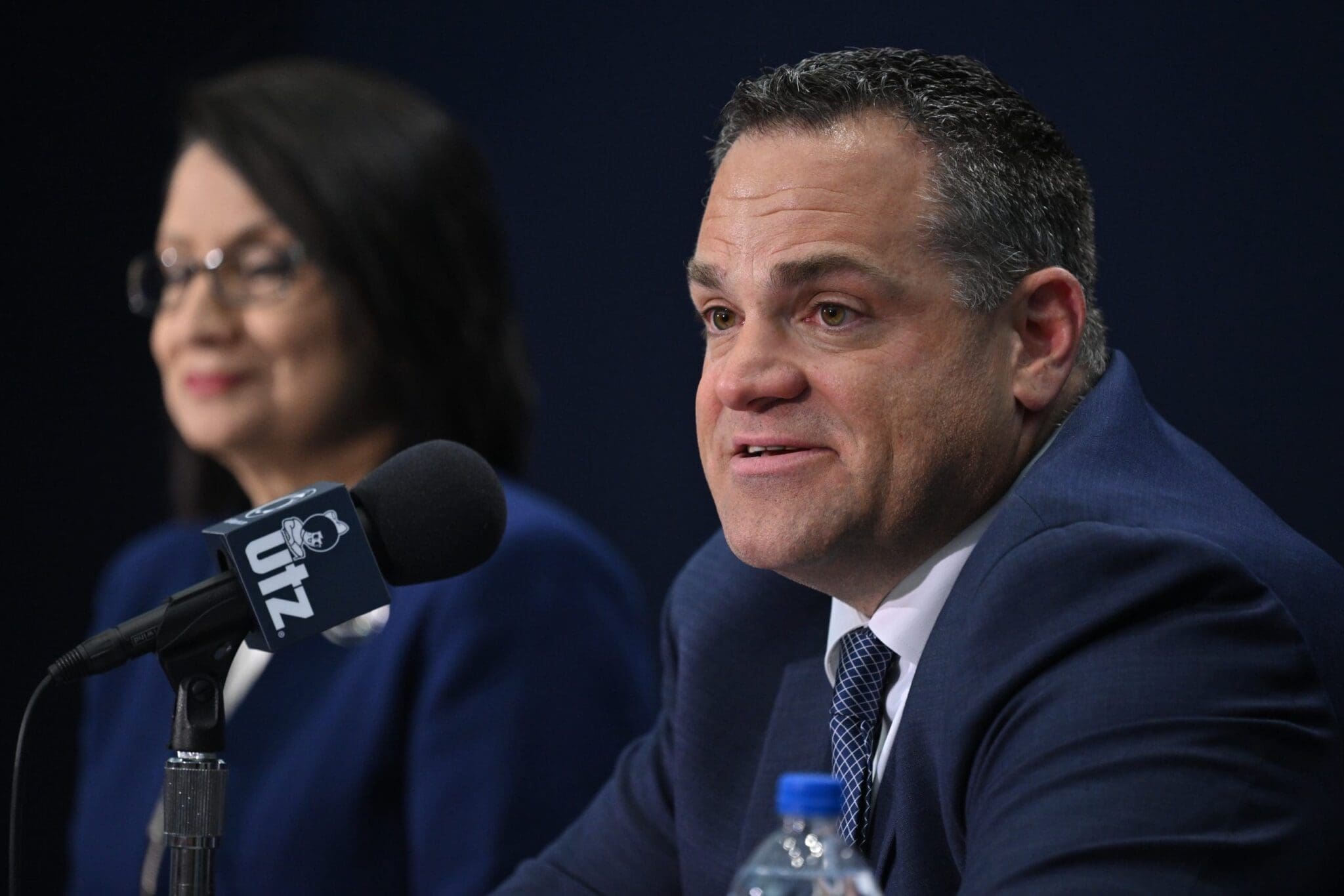
In a June 17 letter to Pennsylvania Sen. John Fetterman, Penn State President Neeli Bendapudi and athletic director Pat Kraft encouraged the state’s senior senator to recognize that congressional intervention is necessary for the survival of the NCAA.
Bendapudi and Kraft are on the right side of this lobbying effort because the current NCAA model lacks a strong centralized governing body and the ability to consistently enforce its rules.
Just look at the way Ole Miss secured another year of eligibility for quarterback Trinidad Chambliss, or what Texas Tech attempted to do with Brandon Sorsby before the Big 12 and several states stepped in to protect what remains of the NCAA’s authority.
Many people like to point out that NIL is out of control, and in some respects it is, but Penn State remains a staunch supporter of athletes being compensated.
Penn State argues that counting deals involving associated entities against a compensation cap could eliminate enormous amounts of potential income for athletes.
The university is also seeking more equitable opportunities across the board for sports that do not generate revenue.
Women’s sports have frequently become targets when athletic departments consolidate programs, but Penn State wants to ensure that new legislation does not freeze scholarship and roster numbers at 2024-25 levels.
Penn State argues that such a restriction could become an unfunded mandate that limits schools’ ability to manage changing budgets, participation levels and competitive needs. Penn State and its Big Ten colleagues claim institutions with broad athletic programs should retain enough flexibility to preserve the viability of those sports.
 Add Nittany Sports Now as a preferred source in Google! Click here to add us.
College athletics has operated for years amid lawsuits, differing state laws and uncertainty surrounding the NCAA’s ability to enforce its rules. As the Sorsby and Chambliss cases demonstrated, schools and athletes have been able to find favorable judges who will issue injunctions or rulings granting eligibility, effectively usurping the NCAA’s governing authority.
Penn State supports federal legislation in principle but argues that the bill’s liability protections and state-law preemption provisions are too weak to create genuine stability.
What every college administrator would desire is a workable national framework rather than another law that leaves schools and athletes exposed to conflicting rules and recurring litigation.
The problem is that the current model is not sustainable, even for programs operating at Penn State’s level.
Kraft recently made it clear that Penn State supports reform but wants a system that can actually create stability.
“We have to get our arms around what’s going on right now,” Kraft said during an appearance on John Canzano’s Bald-Faced Truth Unfiltered. “It’s not sustainable… Give me the rules, give me the guidelines, and I’ll stay there and we’ll attack it. But we do need to figure this out.”
That philosophy is reflected in Penn State’s letter to Fetterman. The university is embracing government intervention but it is arguing that the current proposal fails to provide the clear, consistent and sustainable framework college athletics needs.
“Scholarships are key. No one talks about the House case and the increase in scholarships for all the other sports. All these athletes are getting an opportunity to go to school… That’s still critical.”
As major collegiate athletics continue to teeter on the question of whether it can remain viable as a training ground for the best athletes to hone their skills, Penn State is working to ensure there is a model that benefits everyone involved.
That is exactly what is needed during a time of so much uncertainty.