
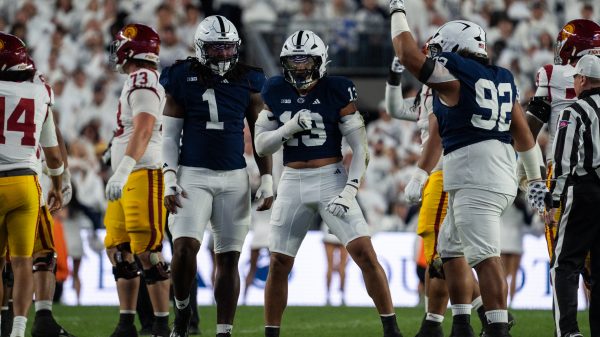






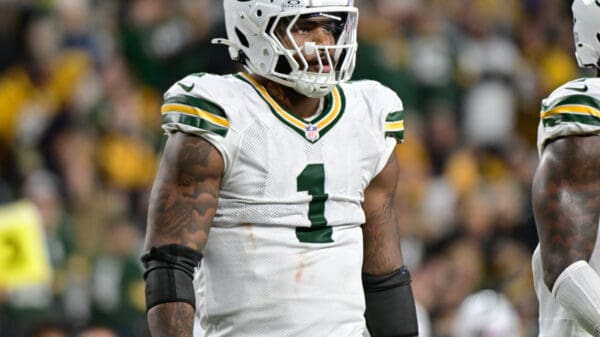
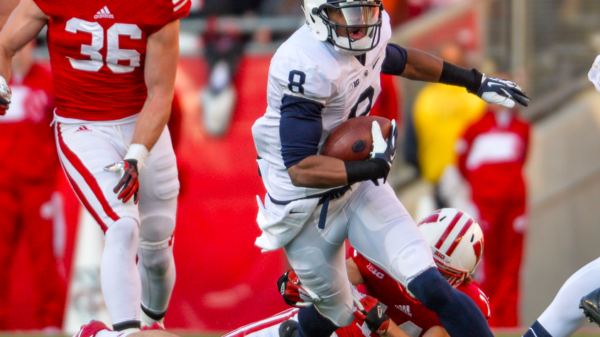



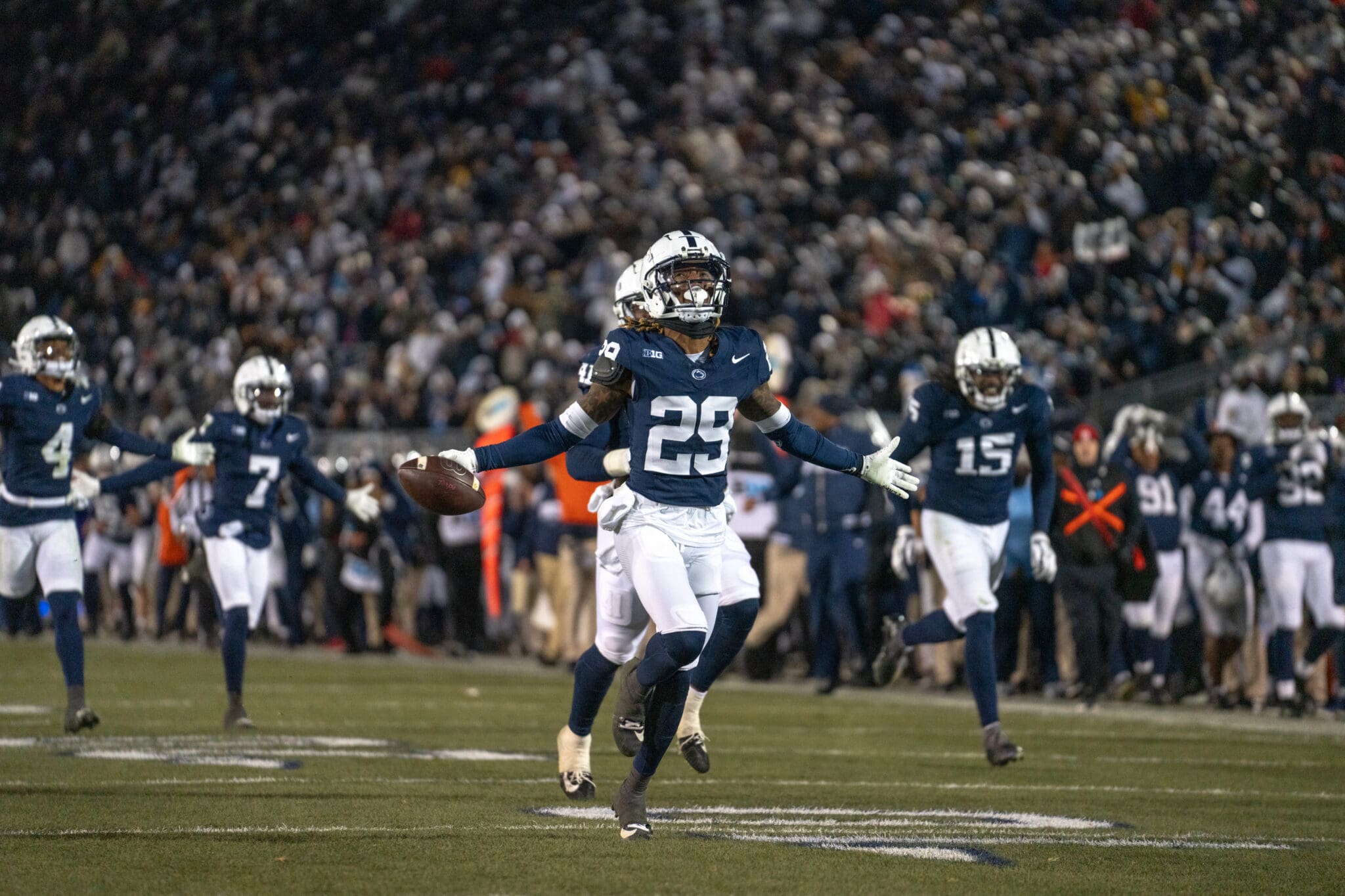
Audavion Collins arrived at Penn State with the physical tools to become a difference-maker.
After a full season of development that saw Collins experience a vast array of experiences and a demanding offseason under first-year head coach Matt Campbell and defensive coordinator D’Anton Lynn, the veteran cornerback looks ready to turn potential into production.
If fall camp is any indication, Collins has become one of the toughest assignments on the practice field.
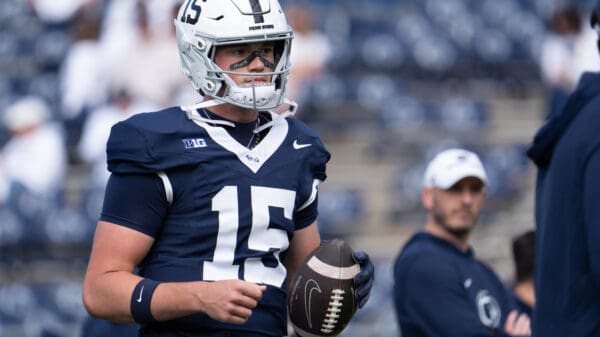
Quarterback Rocco Becht has seen that growth firsthand.
“He’s really talented. I would say he’s really good at playing in between two different routes, whether it’s a high-low out to the field or a high-low to the boundary. He’s really good at reading our eyes and keeping track of the two routes.
“That’s definitely been a struggle in practice, but I feel like over time we’ve been able to talk to each other, learn about one another and see how we can play better against one another. If we see that out on the field, we’ll be ready for it.
“He’s definitely been an asset to me, and I’m sure I’m an asset to him. To have that talent and ability on the defensive side that I’m going against every single day is definitely preparing me for the season.”
That ability to process route combinations instead of simply reacting to receivers has become one of Collins’ biggest strengths. Rather than chasing routes, he has learned to anticipate them, making life difficult for quarterbacks trying to manipulate coverage with their eyes.
Offensive coordinator Taylor Mouser offered perhaps the strongest endorsement.
“AC is a large nemesis. Every day in practice he makes throwing the football one of the most competitive things I’ve ever gotten the ability to go against.”
That praise is backed by steady production.
 Add Nittany Sports Now as a preferred source in Google! Click here to add us.
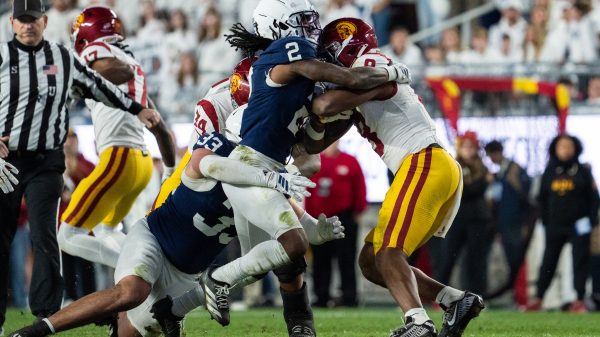
According to Pro Football Focus, Collins played 538 defensive snaps in 2025, including 272 in coverage. He finished with an overall defensive grade of 68.3, a run-defense grade of 70.6 and a coverage grade of 67.8 while allowing 25 receptions on 38 targets. Opposing quarterbacks completed 65.8 percent of their passes in his direction for 312 yards, one touchdown and no interceptions.
Those numbers don’t scream lockdown corner, but they show a player who consistently competed against quality Big Ten competition while limiting explosive plays. Collins surrendered just 12.5 yards per reception, and several of his strongest performances came in conference play.
His PFF grades against Michigan State (75.3), Ohio State (65.1), Northwestern (68.4) and Oregon (68.6) reflected a player growing more comfortable as the season progressed. Even when targeted, Collins rarely looked overwhelmed, displaying the length and ball skills that made him an intriguing addition to Penn State’s secondary.
The next step is turning tight coverage into takeaways.
Collins did not record an interception last season despite regularly being around the football. If he begins converting pass breakups and contested throws into turnovers, his profile could change dramatically.
D’Anton Lynn’s defense is built around creating negative plays, and corners who finish possessions are often rewarded.
The encouraging sign is that Collins is sharpening those instincts every day against one of the Big Ten’s better quarterback-receiver combinations in practice. Becht’s comments illustrate the challenge Collins presents before Saturdays ever arrive.
For Penn State, that’s exactly the type of internal competition Campbell wanted to create.
If Collins continues on his current trajectory, the Nittany Lions may have found more than just a dependable starting cornerback. They may have developed the next defensive back offenses choose to avoid altogether.